Cheap Gyms Near Me: Finding Real Value in Your Neighborhood
Cheap gyms near me is a search for a club that is both affordable and close enough to use regularly. Here is how to find and evaluate the budget options in your area.
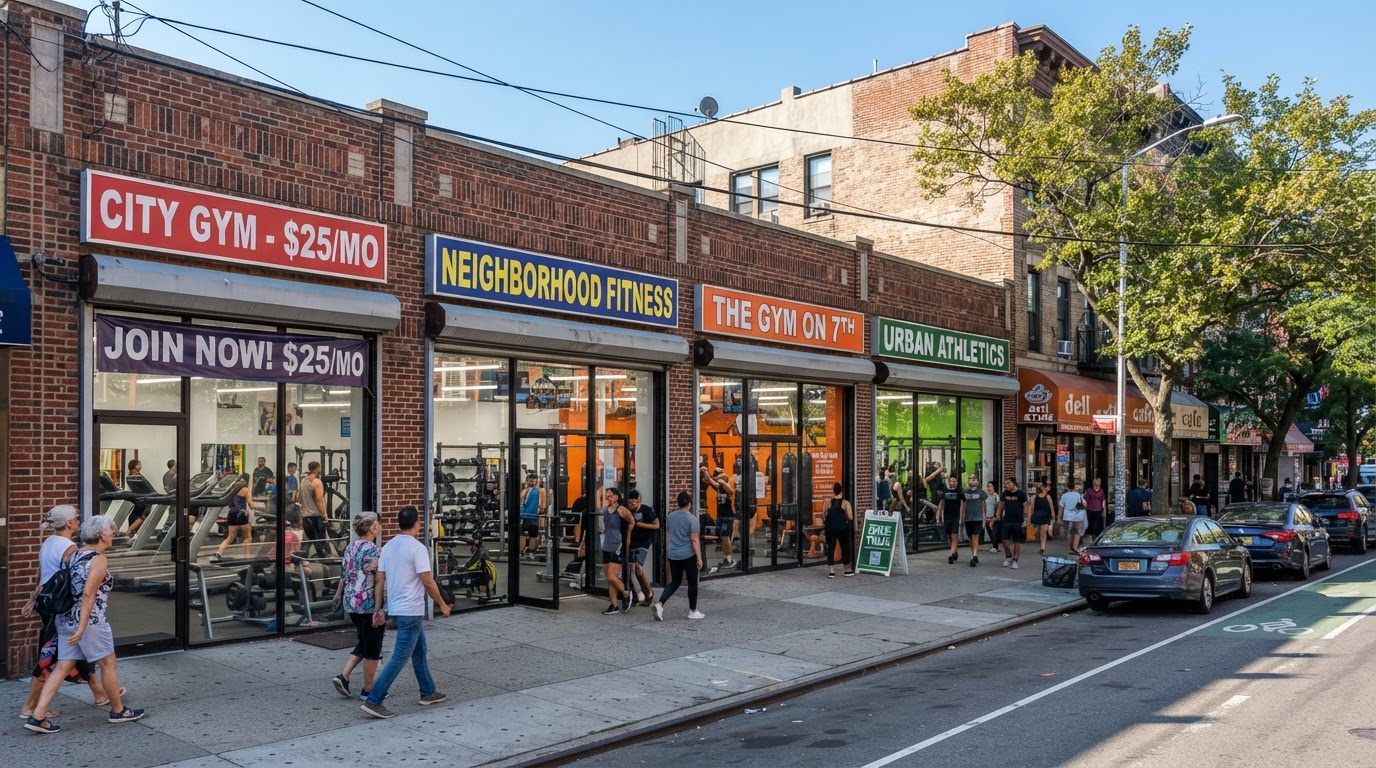
Searching for cheap gyms near me is really two searches combined into one: affordable and nearby. The cheapest club in your region is a poor value if it is too far to visit regularly, and the closest club is a poor value if it costs more than you can justify. The goal is to find the intersection where a low monthly rate meets a location you can reach in a few minutes.
Start by drawing a practical radius around the places you already spend time: home, work, school, and the routes between them. List every gym inside roughly a ten-minute drive or a short walk. The clubs inside that radius are the ones with a real chance of becoming a habit, because the drive never feels like a barrier on a busy day.
With your shortlist, compare the details that determine whether a cheap gym is usable. Hours come first: a club that closes at 9 p.m. does not serve a night-shift worker, and a 24/7 keycard gym may be ideal for one. Then check the equipment mix, because a budget club that lacks the free-weight area, power racks, or cardio machines you need is not a value at any price.
Calculate the true annual cost for each option, not just the monthly rate. Most budget clubs charge an annual maintenance fee, typically $29 to $59, billed once per year. Add that to twelve months of dues. A $15 plan with a $49 annual fee costs about $229 per year, which is still inexpensive, but comparing that total across clubs is more honest than comparing monthly figures alone.
Visit your top choices in person at the hours you plan to train. Walk the floor and assess crowding on the cardio deck, organization of the weight racks, locker-room cleanliness, ventilation, and staff presence. A free day pass lets you test the real experience. A cheap gym that feels unpleasant at your workout time is not a bargain, no matter how low the rate.
Consider the membership structure that fits your life. Month-to-month billing gives you flexibility to leave if the club stops working for you, while an annual contract often locks in a lower rate but commits you for a year. If you are building a new habit, a no-contract plan lets you test it without pressure. If you already train consistently, an annual plan may save money over time.
Factor in the friction points around the club itself: parking availability and cost, transit access, shower quality if you train before work, and childcare hours if you need them. These details shape whether a membership gets used or cancelled. A club that removes friction at your specific hours is worth more than its monthly rate suggests.
Finally, use a trial period to confirm your choice before any long commitment. Most budget clubs offer a free pass or a first month with no long-term lock-in. Spend that time building the routine at the hours you intend to keep, and let real attendance decide whether the cheap gym near you is the right value.